
The modern athlete operates in a state of constant physiological demand, frequently pushing the body into a prolonged sympathetic nervous system response. This fight or flight state, while necessary for high-stakes competition and explosive training, can lead to chronic burnout, decreased performance, and a higher risk of injury if not properly managed through deliberate recovery protocols. When the sympathetic nervous system remains dominant, the body struggles to repair tissue and regulate stress hormones, effectively stalling progress despite hard work in the gym.
At HydroWorx, we believe that recovery is just as vital as the training itself to maintain long-term athletic health and career longevity. By understanding the biological triggers of overtraining, coaches and sports scientists can implement smarter interventions. Hydrotherapy serves as a powerful bridge between high-intensity output and deep systemic restoration, providing a unique environment where the body can finally disengage from the stresses of elite sport and begin the essential work of total physiological rebuilding.
Rebalancing the Autonomic Nervous System
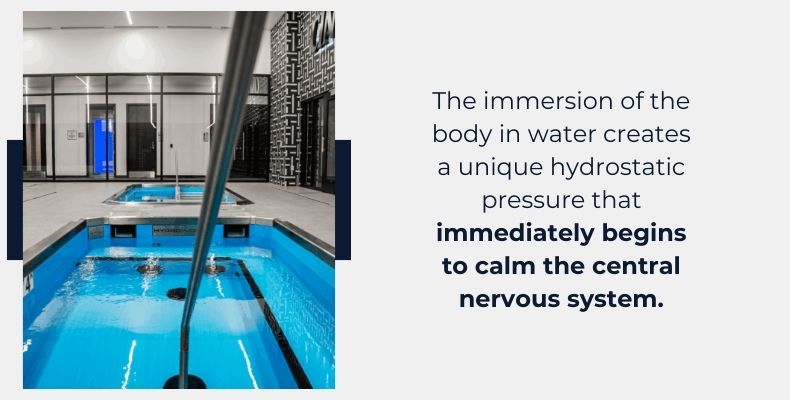
The immersion of the body in water creates a unique hydrostatic pressure that immediately begins to calm the central nervous system. This physical environment shifts the body from a sympathetic state into a parasympathetic rest and digest mode. By leveraging these properties, we help athletes find a necessary physiological equilibrium after high-intensity training sessions. The gentle, consistent pressure of water acts as a form of neural compression, dampening the firing of stress-related nerve pathways. This shift is critical because a body stuck in a sympathetic state cannot efficiently move nutrients to muscle tissues or clear metabolic byproducts.
- Vagus Nerve Stimulation: Water immersion, particularly involving the torso, naturally stimulates the vagus nerve, the primary driver of the parasympathetic system.
- Reduced Sensory Input: The buoyant environment reduces the constant noise of gravity and proprioceptive demands, allowing the brain to enter a state of deep relaxation.
- Immediate Calming: Athletes often report an instantaneous drop in perceived anxiety and physical tension upon entering a temperature-controlled aquatic environment.
Regulating Cortisol and Stress Responses
Intense physical exertion spikes cortisol levels, which can remain elevated and hinder muscle repair and sleep quality. Hydrotherapy provides a controlled environment where the thermal properties of water assist in flushing metabolic waste and lowering systemic stress. We observe that consistent aquatic recovery protocols significantly dampen the hormonal markers of overtraining and mental fatigue. When cortisol remains high for too long, it becomes catabolic, breaking down the very muscle tissue the athlete is trying to build. Water-based therapy disrupts this destructive cycle by providing a soothing medium that encourages the endocrine system to return to a baseline state.
- Lymphatic Drainage: Hydrostatic pressure mimics a pump, assisting the lymphatic system in moving waste away from tired limbs without requiring active muscular effort.
- Hormonal Reset: Regular water therapy sessions help stabilize the adrenal glands, preventing the adrenal fatigue often associated with high-volume training blocks.
- Mental Clarity: By reducing systemic physiological stress, athletes experience improved focus and a reduction in the brain fog that typically accompanies overreaching.
Improving Heart Rate Variability for Recovery
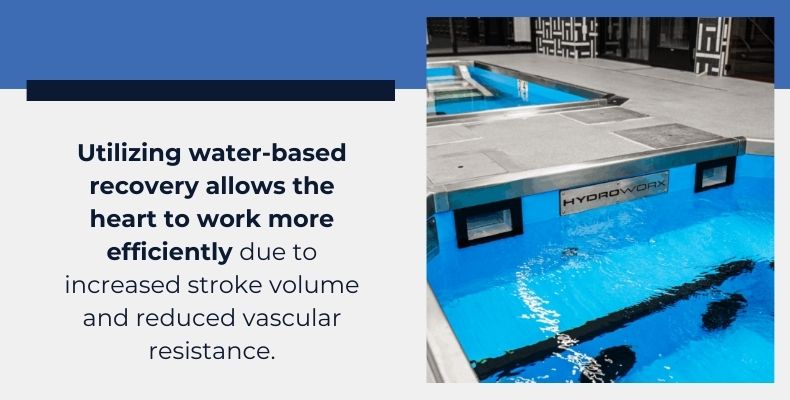
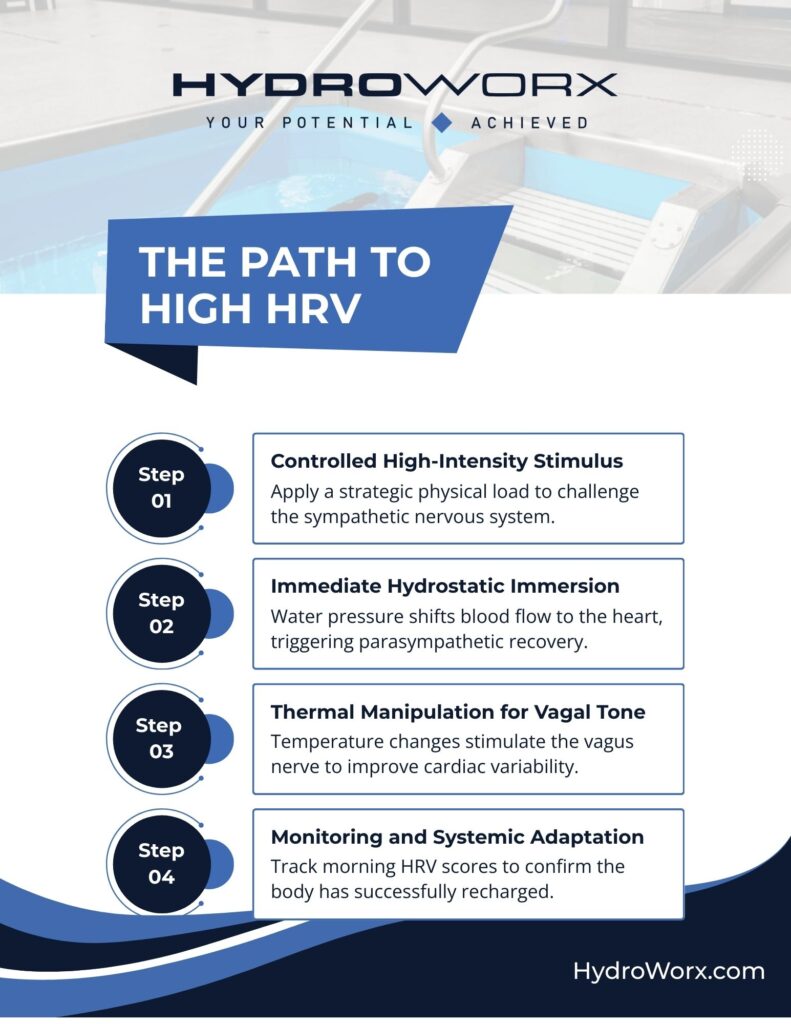
Heart Rate Variability (HRV) is a primary indicator of how well an athlete is recovering from neurological strain. Utilizing water-based recovery allows the heart to work more efficiently due to increased stroke volume and reduced vascular resistance. We advocate for aquatic environments as a superior tool for restoring HRV, ensuring that the heart recovers quickly. High HRV scores indicate a flexible, resilient nervous system, whereas low scores signal that the body is struggling to cope with its current load. Hydrotherapy acts as a reset button for these cardiac rhythms, training the heart to bounce back more effectively from high-intensity intervals.
- Increased Stroke Volume: The pressure of water shifts blood from the extremities toward the thoracic cavity, allowing the heart to pump more blood with less effort.
- Lowered Resting Heart Rate: Post-session, athletes typically see a more rapid return to their baseline resting heart rate compared to passive land-based rest.
- Autonomic Flexibility: By cycling through water-based protocols, athletes strengthen the heart’s ability to switch between exertion and recovery phases seamlessly.
Enhancing Sleep Quality Through Thermal Regulation
A primary symptom of sympathetic overload is the inability to achieve deep, restorative sleep due to a heightened metabolic rate. Transitioning through specific water temperatures helps regulate the body’s core temperature, signaling the brain that it is time to rest. We find that athletes who prioritize hydrotherapy report significantly better sleep cycles. Sleep is the ultimate performance enhancer, yet it is often the first thing compromised when an athlete is overtrained, and their nervous system is wired. Water serves as a medium for precise thermal manipulation that land-based environments simply cannot replicate.
- Circadian Rhythm Alignment: Warm water immersion followed by a gradual cooling period mimics the natural body temperature drop required to trigger the onset of sleep.
- Muscle Relaxation: The warmth of the water reduces muscular guarding and twitchiness, which can often keep an athlete awake after late-night training or games.
- Deep Sleep Extension: Proper thermal regulation in water has been linked to increased time spent in REM and deep sleep stages, where growth hormone release is at its peak.

The journey to peak performance is often won during the hours spent away from the field or the weight room, where the body is given the grace to heal. By integrating hydrotherapy into a weekly routine, athletes can effectively mitigate the risks of sympathetic nervous system overload, ensuring they remain resilient, mentally sharp, and physically ready for the next challenge. At HydroWorx, we are dedicated to providing the world’s most advanced aquatic therapy technology to help your facility deliver these elite recovery results to every individual you serve. Our specialized equipment is designed to maximize the therapeutic benefits of water, offering unparalleled control over the recovery environment. If you are interested in learning more about how our innovative treadmill pools and recovery jets can transform your athletic program, we invite you to explore our full product line online or contact us today for a personalized consultation. Let us help you empower your athletes with the ultimate recovery advantage.