
The therapeutic potential of water extends far beyond traditional physical rehabilitation, offering a unique sanctuary for neurodivergent individuals. For those navigating the complexities of Autism Spectrum Disorder (ASD) and ADHD, the natural properties of an aquatic environment provide a predictable, soothing, and highly controllable space that land-based settings often lack. The gentle resistance and buoyancy of water create a specialized sensory landscape where the overwhelming stimuli of the modern world—such as harsh lighting, loud noises, and unpredictable textures—are significantly muffled or eliminated. This reduction in sensory noise allows the nervous system to shift from a state of high alert to one of focused engagement.
By providing consistent, calming feedback, aquatic exercise becomes more than just physical movement; it becomes a vital tool for emotional regulation, cognitive clarity, and sensory integration. In this quiet, weightless world, individuals find the freedom to explore their physical capabilities without the stress of environmental overload. Keep reading to learn more from the team at HydroWorx.
Mastering Sensory Regulation Through Hydrostatic Pressure
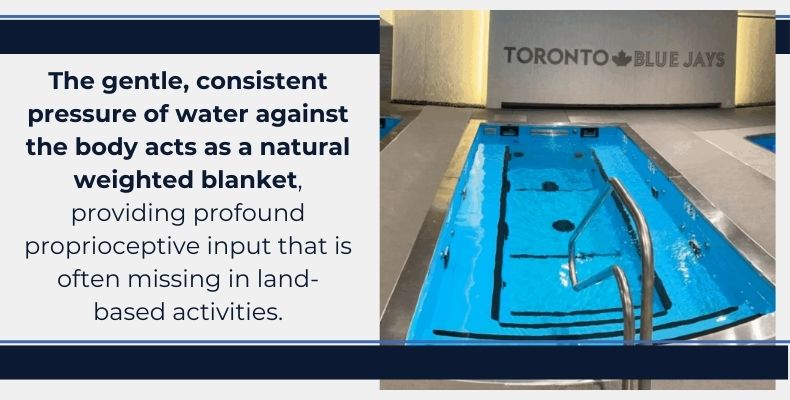
The gentle, consistent pressure of water against the body acts as a natural weighted blanket, providing profound proprioceptive input that is often missing in land-based activities. This hydrostatic pressure envelops the individual, sending calming signals to the brain that help regulate the nervous system and decrease physiological anxiety. For neurodivergent individuals who experience sensory seeking or sensory avoidance behaviors, this deep-pressure input can be life-changing.
- Deep Tissue Feedback: Water provides 360-degree resistance, ensuring every movement is met with calming tactile feedback.
- Neurological Grounding: The sensation of being submerged helps individuals feel more secure in their physical space, reducing the fight or flight response.
- Symptom Mitigation: This pressure can significantly reduce the urge for repetitive self-stimulatory behaviors (stimming) by satisfying the body’s need for sensory input.
Within this supportive environment, the overwhelming stimuli of the outside world fade, replaced by a soothing and rhythmic sensory experience that promotes long-term emotional stability.
Enhancing Focus and Cognitive Engagement
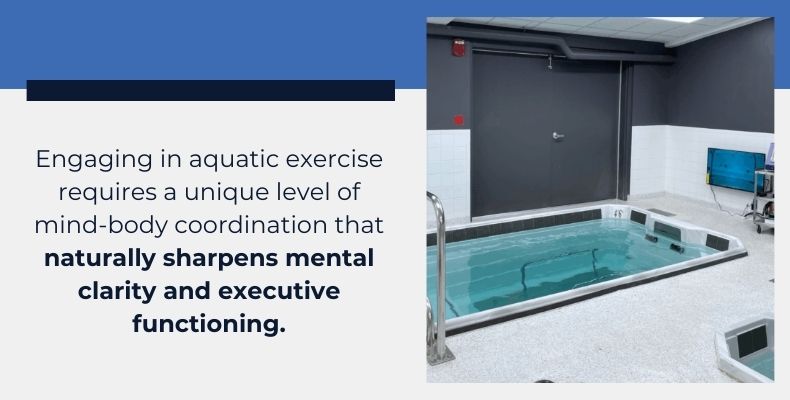
Engaging in aquatic exercise requires a unique level of mind-body coordination that naturally sharpens mental clarity and executive functioning. The density of water is significantly higher than that of air, which naturally slows down movement. This slow-motion effect gives the brain more time to process motor commands, plan the next move, and stay present in the moment. For those with ADHD, who may struggle with impulsivity or a racing mind, the physical resistance serves as a biological anchor.
- Executive Functioning: Managing complex movements in water improves planning and sequencing skills.
- Reduced Distractions: The acoustic and visual dampening of the water helps the individual focus on a single task without interruption.
- Mindfulness: The rhythmic nature of aquatic movement encourages a flow state, which is often difficult to achieve in chaotic land environments.
This deliberate pace fosters sustained attention and reduces impulsive physical behaviors, translating into better focus in the classroom or at home.
Building Confidence Through Increased Mobility
Water’s buoyancy minimizes the fear of falling, which is a major barrier for neurodivergent individuals who may struggle with low muscle tone or dyspraxia. By supporting up to 90% of a person’s body weight, water allows for the development of core strength, balance, and coordination without the harsh impact found on land. This sense of weightlessness creates a “brave space” where individuals feel empowered to take physical risks they might otherwise avoid.
- Risk-Free Exploration: Buoyancy acts as a safety net, allowing for experimentation with jumps, balances, and gait patterns.
- Strength Development: Moving through water builds lean muscle mass and improves cardiovascular health without stressing the joints.
- Emotional Resilience: Overcoming a physical challenge in the water provides an immediate sense of accomplishment
As physical milestones are reached in the pool, individuals often experience a significant boost in self-esteem. This newfound confidence is not contained within the water; it translates into improved posture, mobility, and social courage in their daily lives.
Creating a Controlled and Predictable Environment
Unlike the unpredictable noise, varied floor textures, and crowded nature of traditional gyms, an aquatic setting offers a stable and repetitive sensory landscape. This predictability is essential for neurodivergent individuals who thrive on routine and clear boundaries to feel safe. In a controlled aquatic environment, the temperature, lighting, and sound are much easier to manage, creating a low-arousal space conducive to learning and growth.
- Consistency: The physical properties of water do not change, providing a reliable sensory baseline every session.
- Defined Boundaries: The physical walls and surface of the water help define the work zone, making it easier to follow instructions.
- Reduced Overload: By removing the stress of unexpected sensory shocks, such as a ball bouncing or a loud whistle, the individual can focus entirely on their goals
This stability allows the individual to focus entirely on their therapeutic goals and personal development milestones, making each session more productive and less emotionally taxing for the user and the therapist.
Understanding the profound impact of aquatic environments is the first step toward unlocking new possibilities for neurodivergent individuals and their families. Through the science of hydrostatic pressure and the freedom of buoyancy, we can create spaces where sensory challenges are replaced by physical and emotional breakthroughs. At HydroWorx, we are proud to be at the forefront of this movement, providing the world-class aquatic therapy equipment and advanced underwater treadmill technology necessary to facilitate these life-changing sessions. Our mission is to empower facilities to deliver the highest standard of care through innovative engineering that prioritizes the user’s comfort and safety. If you are interested in learning more about how our specialized equipment can support sensory-friendly programming at your clinic or school, we invite you to explore our extensive research library for clinical data. You can also contact us today for a personalized equipment consultation to see which of our solutions best fits your community’s unique needs.