
Traditional land-based physical therapy often presents severe hurdles for individuals undergoing bariatric rehabilitation. The excessive load on weight-bearing joints, combined with chronic pain, fear of falling, and limited cardiovascular stamina, can drastically restrict movement and stall recovery progress. When movement is painful, patients are understandably hesitant to push their boundaries, which can lead to a cycle of deconditioning and frustration.
Aquatic therapy offers a powerful, transformative alternative by removing these physical and psychological barriers. By taking advantage of the unique properties of water with hydrotherapy equipment from HydroWorx, healthcare providers can create a safe, highly effective, and deeply empowering environment for restoring functional mobility. Hydrotherapy shifts the focus from what a patient cannot do on land to what they can achieve in the water, fundamentally accelerating the entire rehabilitation timeline. It opens up immediate avenues for early intervention, allowing patients to rebuild their lives with renewed confidence and reduced discomfort.
Overcoming Weight-Bearing Obstacles Through Aquatic Buoyancy
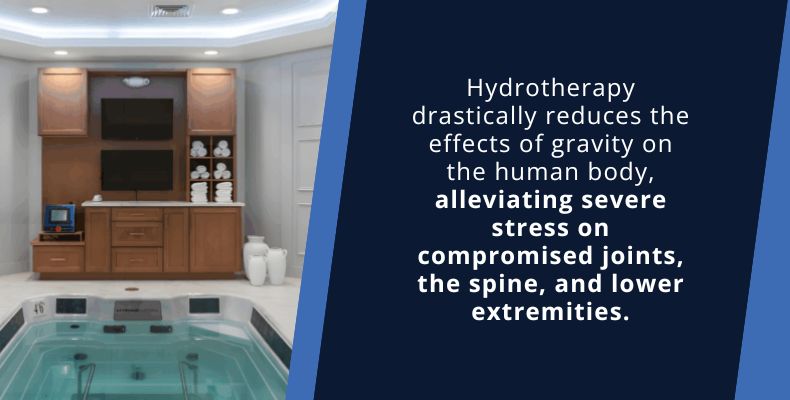
Hydrotherapy drastically reduces the effects of gravity on the human body, alleviating severe stress on compromised joints, the spine, and lower extremities. When submerged to the chest, a patient experiences a profound reduction in weight-bearing load, effectively unloading a significant portion of their body weight. This unique physical state creates a supportive, near-weightless environment where individuals can initiate early mobility exercises that would be entirely impossible, painful, or unsafe to perform on land.
For bariatric patients, this reduction in joint compressive forces is life-changing. It means that exercises targeting range of motion, hip flexion, and knee extensions can be executed with minimal discomfort. Therapists can introduce gait training and functional movement patterns much earlier in the recovery timeline without risking joint inflammation or acute pain flare-ups.
- Immediate Pain Relief: Unloading the joints reduces mechanical friction, minimizing pain during active movement.
- Early Intervention: Clinics can begin active rehabilitation weeks ahead of traditional land-based protocols.
- Increased Range of Motion: Reduced gravity allows joints to move through their full, natural pathways without restriction.
By circumventing the physical limitations imposed by gravity, aquatic buoyancy shifts the rehabilitation focus from pain management to active, progressive movement, laying a strong foundation for long-term functional recovery.
Conditioning Cardiovascular Endurance and Muscle Strength Without Impact
The natural viscosity of water provides a continuous, uniform resistance that serves as an excellent environment for low-impact cardiovascular and musculoskeletal conditioning. Unlike land-based exercises that rely on heavy weights or high-impact movements, water resistance is entirely accommodating. This means the resistance matches the force exerted by the patient; the harder they push, the more resistance they encounter, making it inherently safe and customizable for any fitness level.
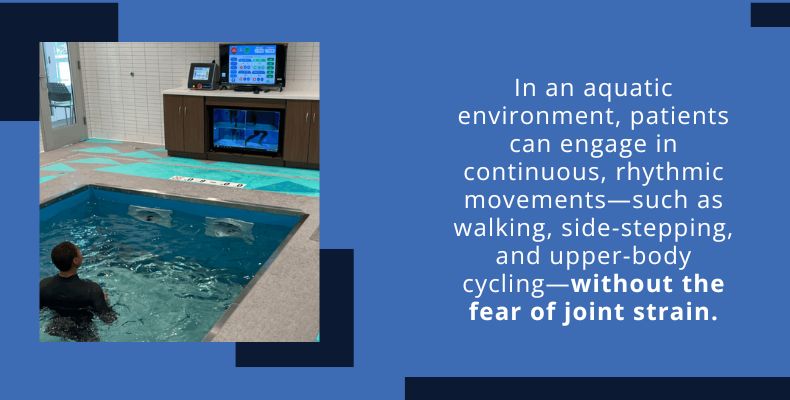
Bariatric rehabilitation requires a delicate balance between burning calories, strengthening muscles, and protecting vulnerable joints. In an aquatic environment, patients can engage in continuous, rhythmic movements—such as walking, side-stepping, and upper-body cycling—without the fear of joint strain. This sustained activity elevates the heart rate and enhances aerobic capacity, which is crucial for improving stamina and overall metabolic health.
- Accommodating Resistance: Resistance inherently adjusts to the patient’s effort, ensuring they are always working at a safe, self-regulated intensity.
- Balanced Muscle Activation: Moving through water requires reciprocal muscle action, strengthening both agonist and antagonist muscle groups simultaneously.
- Low-Impact Cardio: Patients can achieve necessary cardiovascular conditioning without the jarring impacts associated with land treadmills.
Over time, this consistent conditioning rebuilds essential muscle groups and expands lung capacity, effectively preparing patients for a more seamless, energetic transition back to daily land-based activities.
Restoring Balance, Gait Mechanics, and Spatial Awareness Safely
Water pressure, or hydrostatic pressure, exerts an equal and consistent force across all submerged parts of the body. This constant pressure provides invaluable sensory feedback to the nervous system, naturally enhancing a patient’s proprioception—their body’s awareness of its position in space—and stabilizing the core muscles. Navigating through an aquatic environment challenges balance in a completely safe setting where the density of water slows down movement, giving patients more time to react and correct their posture.
For individuals in bariatric rehabilitation, fear of falling is a major psychological and physical barrier to gait training. In a hydrotherapy pool, a loss of balance does not result in a hard impact or injury; instead, the water cushions the movement. This safety net allows physical therapists to aggressively challenge a patient’s balance, introduce agility drills, and practice complex gait mechanics that would be too risky to attempt on a hard floor.
- Hydrostatic Support: The pressure of the water acts like a supportive garment, stabilizing the trunk and improving core engagement.
- Safe Environment for Mistakes: Patients can lose their balance without the catastrophic consequences of a land-based fall, reducing anxiety.
- Gait Correction: The slowed motion in water allows therapists to analyze and correct stride length, heel strike, and posture in real-time.
Building this foundational stability and spatial awareness in the water directly translates to increased confidence, steadier steps, and greater functional independence when patients return to walking on dry land.
Cultivating Psychological Confidence and Long-Term Motivation
The physical limitations experienced on land can frequently lead to profound frustration, anxiety, and a decrease in motivation during the bariatric recovery process. When every step feels heavy and painful, compliance with physical therapy protocols naturally suffers. The sudden freedom of movement experienced the moment a patient steps into a therapeutic pool provides an immediate, powerful psychological boost, instantly renewing their confidence in what their body can accomplish.
Psychological readiness is just as critical as physical capability in any long-term rehabilitation program. In the water, patients often find they can walk backward, stand on one leg, or even jog—milestones that may feel years away on land. This immediate success breaks the psychological cycle of chronic pain and perceived helplessness. It replaces fear with genuine excitement, transforming therapy sessions from a dreaded chore into a highly rewarding experience that patients look forward to.
- Breaking the Pain-Fear Cycle: Experiencing pain-free movement rewires the brain’s association between exercise and discomfort.
- Celebrating Early Wins: Achieving movement milestones in the water builds immediate self-efficacy and momentum.
- Enhanced Compliance: When patients feel successful and comfortable, they are far more likely to stay committed to their long-term health goals.
This positive emotional and mental shift encourages deeper engagement with the rehabilitation process, paving the way for consistent, enthusiastic participation and superior long-term clinical outcomes.
Providing successful bariatric rehabilitation requires advanced clinical tools that empower patients to move safely, confidently, and without debilitating pain, while simultaneously protecting therapy staff from physical strain. By integrating the unique therapeutic properties of water into your continuum of care, your facility can effectively bridge the gap between severe mobility limitations and true functional independence. At HydroWorx, we manufacture state-of-the-art hydrotherapy solutions designed to help clinics maximize patient outcomes, boost therapist efficiency, and elevate the standard of bariatric care. Contact our team today to speak with an aquatic therapy expert about bringing a HydroWorx pool to your facility, or request a personalized consultation to discuss your specific clinical and space requirements.